We Are
Not an Accident
Black Girl Assembly was built from years of programming, community work, and a deep belief that Black, Brown, and Indigenous girls and women deserve more than survival. They deserve to bloom.
The Assembly Method™
Every Black Girl Assembly program runs on The Assembly Method™, our five-stage arts-based framework for leadership and healing built specifically for Black, Brown, and Indigenous girls and women. Learn how it works.
The world was not built for them.
So we are building another one.
Black, Brown, and Indigenous girls and women carry generational brilliance into systems designed to overlook, exhaust, edit them. Black Girl Assembly exists because the gap between what they deserve and what they receive is unacceptable — yet closeable.
Because the data is damning.
Black girls are adultified by age five. Black women are dying from preventable health crises at three to four times the national rate. Brown and Indigenous girls remain the most overlooked in research, funding, and care. The numbers are not background — they are the brief.
Because survival is not the ceiling.
Most programs aimed at our girls are built around risk and recovery. We build around possibility, leadership, and joy — because resilience without rest is just exploitation rebranded.
Because the women doing the work are tired.
Mothers, teachers, organizers, healers, aunties have been holding the line without infrastructure for too long. We exist to build the scaffolding around them — funded, structured, sustained.
Because representation is not enough.
Being seen does not pay rent, heal trauma, or open a door. We build infrastructure, programs, and pathways — the actual machinery that turns visibility into power.
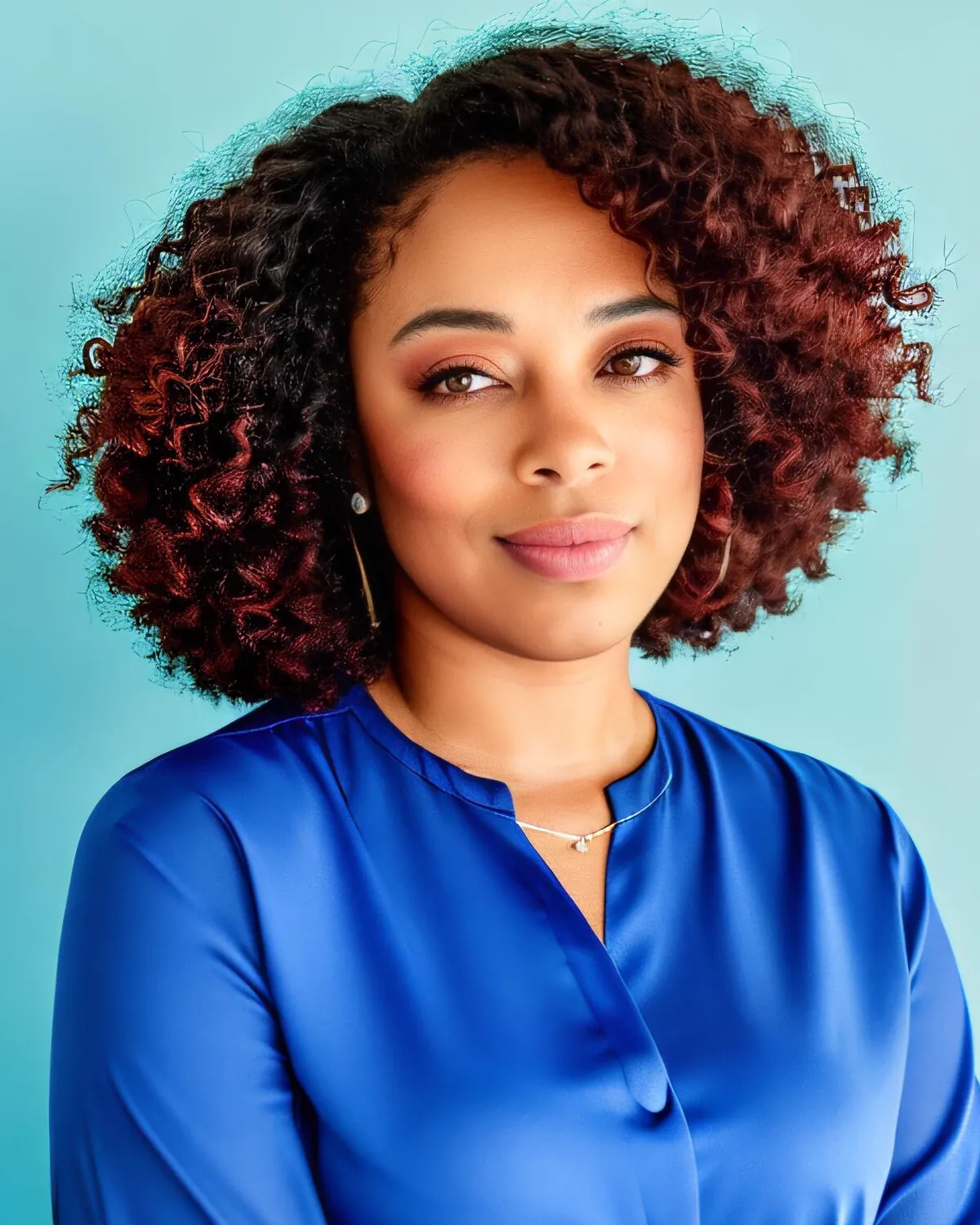
Rochelle Levy, Founder
Rochelle Levy is a culture strategist, creative director, and the founder of Black Girl Assembly. She also leads Alchemy for Change, the operational engine behind BGA's infrastructure. Her work sits at the intersection of social psychology, behavior change, cultural intelligence, and creative leadership.
Black Girl Assembly builds bold, unapologetic leadership and healing infrastructure for Black, Brown, and Indigenous girls and women — through arts, community, research, and radical care — so they can lead without shrinking, heal without apology, and bloom without permission. We exist because the gap between what our community deserves and what the world delivers is unacceptable, and we refuse to wait for permission to close it.
From the inside out, always.
As strategy, not supplement.
In community, with access for all.
A world where every Black, Brown, and Indigenous girl and woman knows she is worth building a life around — surrounded by stories that look like her, led by women who have done their own healing, with the tools and spaces to become who she actually came to be.
When Black Girl Assembly discusses "Black girls and Black women," we include any cis, trans, gender-expansive, nonbinary, and/or femme-identified person who identifies as Black, Indigenous, Latine, Asian, Arab, Pacific Islander, and/or other women and girls of Color.
The principles we will not compromise.
Truth before comfort.
We name what is real, even when it costs us.
Care without condescension.
We serve, we do not save.
Rest is productive.
We model what we teach.
Joy is not optional.
It is a survival practice.
Black women first.
Always, without apology.
Rigor and warmth together.
Both. Always. No trade-off.
Programming Since 2018
Black Girl Assembly's programming didn't begin with our incorporation. It began years earlier — across 2018 and 2019 — in rooms with Black girls and women who needed more than what existed. We have been running leadership programs, healing spaces, literacy initiatives, community gatherings since before we had a formal name for what we were building.
What we built formally as Black Girl Assembly is the infrastructure that the work always deserved. A name. A structure. A clear mission. Programs designed with intention and grounded in research. The community came first. The organization caught up.
Headquartered in Boston, MA, our programs reach girls and women nationwide through hybrid delivery — in-person cohorts in cities across the country and online community through The Culture Collective on Circle.
We built this as a mission-driven company because the work demanded a structure that lets us move quickly, pay our facilitators competitively, answer only to the girls and women we serve. Programs operate on a sliding scale — tuition is income-based; scholarships, financial aid, payment plans are always available. That accessibility is a promise, not a footnote.
We chose structure that serves the work —
not the red tape around it.
We get this question often, so we want to answer it plainly. Black Girl Assembly is intentionally built as a mission-driven for-profit. That choice is not a workaround — it is the strategy. It lets us be honest, move quickly, and keep our accountability pointed exactly where it belongs: at the girls, women, and communities we serve.
- Honest by design. No donor-driven softening of our language or politics.
- Money follows need. Resources move where the community points — not where a grant cycle dictates.
- Community sets the agenda. We adjust in real time, without waiting on board or grantor sign-off.
- Bold, accessible, accountable. Built to serve Black, Brown, and Indigenous girls and women — first, fully, and without apology.
We say what's real.
So many nonprofits have to soften their language, edit their politics, or hide behind the comfort of donors or boards. We refuse to. As a for-profit, we get to voice what is actually true for Black, Brown, and Indigenous girls and women — without diluting it for palatability.
We endorse who we believe in.
We can outwardly support the leaders, organizations, businesses, movements that have our community's best interests at heart — publicly, unapologetically. Nonprofit status restricts that kind of plain-spoken solidarity. We chose a structure that does not.
We put money where it's needed.
Grant cycles, donor restrictions too often dictate where dollars must go — not where the need actually is. As a for-profit, we direct resources based on what our community is telling us, not what a funder's priorities require this fiscal year.
We stay community-informed.
We believe in collective impact. The people closest to the work shape the work — full stop. Our structure lets us listen, adjust, act in real time, rather than waiting on board approvals or grantor sign-off to respond to what we are hearing on the ground.
We get to be bold.
Our community deserves boldness — in care, in programming, in radical accessibility. We are not interested in cautious offerings designed not to upset anyone. We are interested in what actually works, and we built a structure that lets us deliver it.
We needed our own infrastructure.
The existing systems were not built for our girls and women; retrofitting them costs time we do not have. We chose to build our own infrastructure — without guardrails designed by people who do not share our lived experience — so the work could be as honest, as nimble, as the community it serves.
To be clear: we deeply respect the nonprofits doing this work — partnering with them often, endorsing them gladly. This is not a critique of them; it is a clarification of us. Different structure, same fight.
What community accountability and radical accessibility actually look like.
These are not slogans. They are operating principles with receipts. Here is what they mean when the doors open.
- The community sets the agenda. Programs are shaped by what girls, women, and families tell us they need — not what we assume they should want.
- Feedback has teeth. Every cohort and gathering is debriefed; what we hear changes the next one. We name the change publicly.
- We answer to the people in the room. Not to donors, not to optics, not to the loudest voice in philanthropy. To the women and girls in the seats.
- We say when we got it wrong. Repair is part of the work — out loud, in writing, with a plan attached.
- Our team reflects our community. Facilitators, staff, and leadership are women of color with shared lived experience. Always.
- Sliding-scale tuition, every program. Income-based pricing is the default — not a hidden option you have to ask twice for.
- Scholarships, financial aid, and payment plans — always available. If cost is a concern, you say so on the application. We work it out. Every time.
- Hybrid by design. In-person cohorts in cities across the country, online community through The Culture Collective. Geography is not a barrier.
- Real meals at every in-person program. Not a granola bar. Food is access.
- Names, pronouns, and identity honored on day one. You don't have to correct us into seeing you fully.
- Care built into the structure. Trauma-informed facilitation, mental health resources, rest — all part of programming, not extras you have to fight for.
What We Promise — In Writing
Culture commitments are not aspirational statements. They are promises with teeth — published so our community and our team can hold us accountable to them.
To Our Community
What girls, women, and families can expect every time they walk through our doors.
Your name, your pronouns, your identity — exactly as you give them to us. We adjust. You don't have to.
Every in-person program includes a real meal. Not a granola bar. Real food, because learning, healing, and showing up all happen better when you are not hungry.
We create conditions for truth. We never demand it. What you share in our spaces is yours.
Every program is facilitated by women of color with shared lived experience. Representation is the architecture, not the talking point.
Programs are offered on a sliding scale. Scholarships, financial aid, and payment plans are always available. If cost is a concern, note it in your application. We will work it out — every time.
Every facilitator is trained in mandated reporting and trauma-informed care. You are not on your own in our spaces.
To Our Staff & Interns
What everyone who works or volunteers with Black Girl Assembly can expect from us.
Black women are chronically undervalued for this work. We are building against that norm. Interns are currently unpaid, but they are always supported, mentored, and treated with respect.
Mandatory rest, flexible timelines, access to healing resources. We do not romanticize burnout as dedication.
You are not your deliverables. We know your name, your story, your context. No one is invisible here.
Staff input shapes program design, policy, and organizational direction. The people closest to the work have a say in it.
We have a written conflict resolution protocol. Hard conversations are held with care and structure, not avoided.
Training, supervision, peer reflection, mental health access — for every facilitator. You cannot pour from empty.